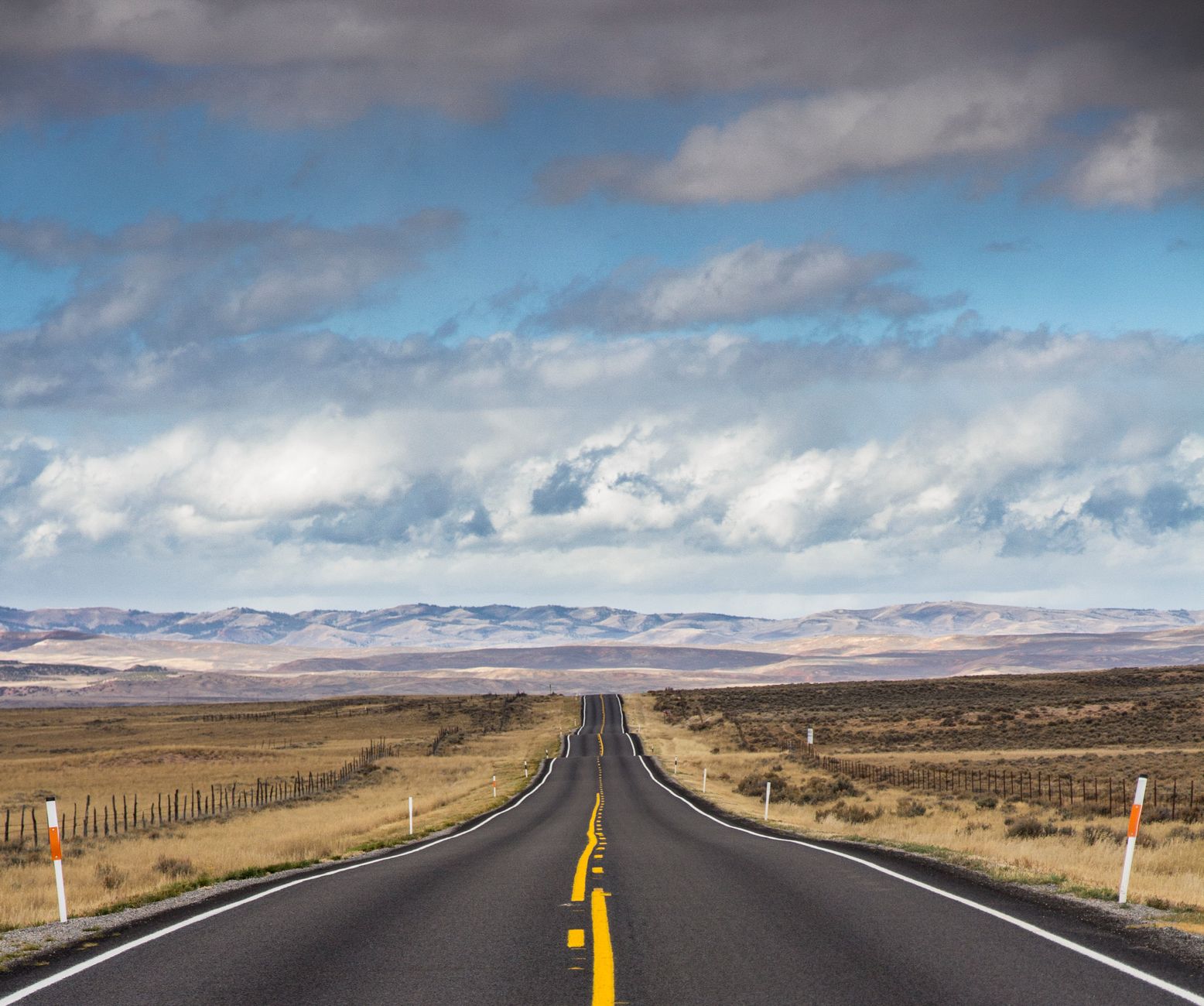
Cross country trip cost can vary significantly based on numerous factors. We drove across the country twice and meticulously kept our receipts to reveal the true expenses involved.
Understanding Travel Expenses
When planning a cross country trip, understanding travel expenses is crucial for budgeting effectively. Various factors contribute to the overall cost, which can vary significantly based on individual choices and circumstances.
One of the primary expenses to consider is fuel costs. Depending on your vehicle’s fuel efficiency and current gas prices, this can be a substantial part of your budget. Additionally, you should account for food expenses, which can range from quick snacks to sit-down meals, depending on your preferences.
Accommodations also play a significant role in the overall expense of any trip. Options include:
- Hotels – Ranging from budget motels to luxury stays.
- Camping – A cost-effective choice, but requires additional gear.
- Short-term rentals – Offering a home-like experience, often at variable rates.
Lastly, don’t forget about tolls and vehicle maintenance, which can add unforeseen costs to your cross country trip cost. By keeping a detailed record of your expenses, you can better prepare for your journey and avoid overspending.
Factors Influencing Trip Costs
The cost of a cross country trip can vary significantly based on several key factors. Understanding these elements can help travelers budget more effectively and anticipate expenses.
- Distance: The total mileage of the journey directly influences fuel costs. Longer trips will naturally require more fuel, increasing overall expenses.
- Fuel Efficiency: The type of vehicle plays a critical role in determining fuel expenses. Cars with better gas mileage will reduce the total cost of the trip.
- Accommodation: Where you choose to stay can significantly impact your budget. Options range from hotels and motels to camping or staying with friends, each with its own price point.
- Food: Dining choices also affect trip costs. Eating out for every meal can add up quickly, while preparing food can help save money.
- Activities: Planned activities and attractions along the route can lead to additional expenses. Entry fees, tours, and experiences should be factored into the total cost.
By considering these factors, travelers can better estimate their cross country trip cost and plan accordingly.
Cross Country Trip Cost Analysis
When planning a cross country trip, understanding the overall cost is essential for budgeting effectively. Based on our firsthand experiences, we compiled a detailed breakdown of expenses to provide clarity on what travelers can expect.
The primary costs associated with a cross country trip include:
- Fuel: This is typically the largest expense. Depending on the distance and fuel efficiency of your vehicle, costs can vary significantly.
- Accommodation: Hotel and lodging prices fluctuate based on location and season. Booking in advance can help save money.
- Food: Dining out for every meal can add up quickly. Budgeting for groceries and snacks might be a more economical choice.
- Tolls and Fees: Some routes may include toll roads, which can contribute to the overall cost.
- Entertainment: Activities and attractions along the route can enhance the journey but will also increase expenses.
In our analysis, the total cross country trip cost can range widely, often falling between $1,500 to $3,000 depending on the choices made during travel. Being mindful of these expenses can lead to a more enjoyable and financially manageable adventure.
Tips for Budgeting Your Road Trip
Planning a cross country trip can be an exciting adventure, but managing the expenses involved is crucial for a successful journey. Here are some tips for budgeting your road trip effectively.
- Set a clear budget: Determine how much you can spend on your trip, including fuel, lodging, food, and activities. This will help you make informed decisions.
- Track your expenses: Keep a detailed record of your spending throughout the trip. Use a budgeting app or a simple notebook to note every receipt, making it easier to stay within your budget.
- Plan your route: Consider the distance and potential stops along the way. The route you choose can significantly impact your cross country trip cost due to varying gas prices and accommodation rates.
- Look for deals: Use apps and websites to find discounts on hotels and restaurants. Many places offer promotions that can help reduce your overall expenses.
- Pack snacks: Avoid unnecessary stops by bringing your own food. This simple step can lead to significant savings on your trip.
By following these budgeting tips, you can make your cross country trip enjoyable without breaking the bank.
When planning your journey, it’s crucial to understand the various factors that contribute to the overall cross country trip cost. By breaking down expenses like fuel, accommodations, and food, you can gain a clearer picture of your expected cross country trip cost.
Photo by Davide Tessaro on Pexels